How Truck Manufacturers in Mexico Are Reducing Import Costs Through Smart Assembly Strategies
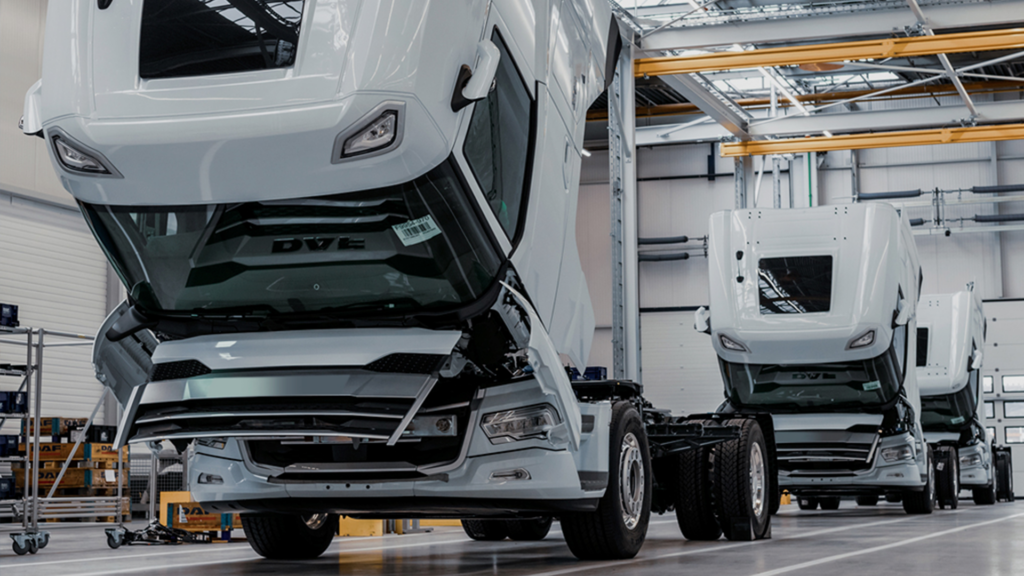
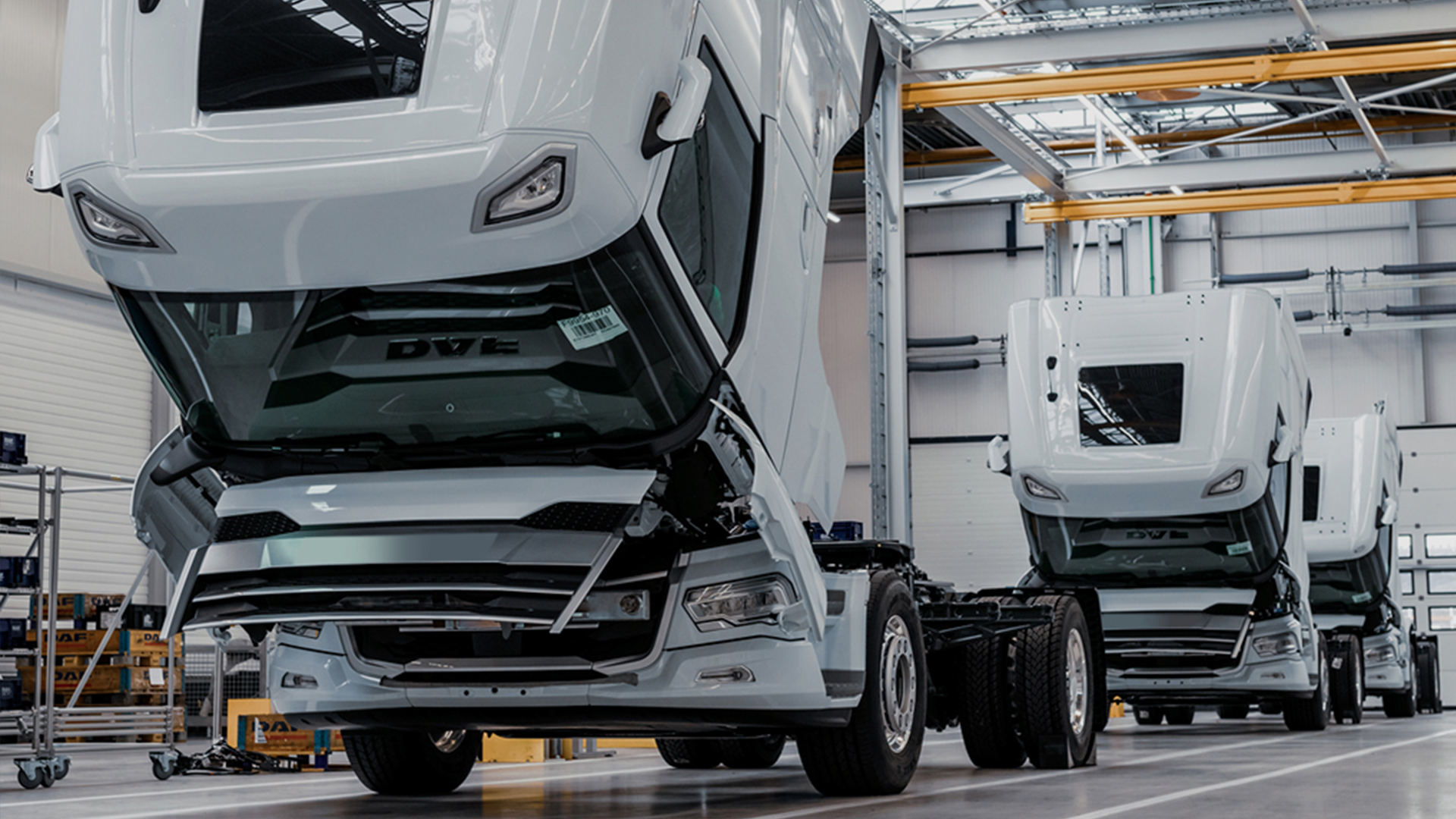
The truck manufacturing industry is facing major challenges due to rising import tariffs and changes in international trade policies. For many brands importing fully assembled trucks into Mexico, increasing operational costs have become a serious concern. According to the Starvia Manufacturing ecosystem presentation, imported CBU vehicles now face higher import taxes, forcing brands to increase pricing to maintain profitability.
As a result, manufacturers are rapidly shifting toward smarter assembly models inside Mexico.
The Shift from Importing to Local Assembly
Instead of importing fully assembled trucks, many companies are now using SKD (Semi-Knocked Down) and CKD (Completely Knocked Down) assembly systems.
This process allows manufacturers to:
- Import truck components instead of finished vehicles
- Reduce import taxes
- Improve operational flexibility
- Optimize logistics costs
- Increase competitiveness in the Mexican market
The presentation highlights how Starvia coordinates the importation of SKD and CKD kits as part of a vertically integrated manufacturing ecosystem.
Why Mexico Has Become a Strategic Truck Manufacturing Hub
Mexico offers several competitive advantages for truck assembly operations:
Strategic Geographic Location
Mexico provides direct access to the United States and Latin America, improving delivery times and supply chain efficiency.
Lower Import Costs
Through PROSEC permits and specialized manufacturing programs, import taxes can be significantly reduced. According to the presentation, Starvia’s operational structure allows import taxes to decrease to an average of 3%.
Advanced Logistics Infrastructure
The integration between port operations, assembly facilities, and final distribution creates a more efficient supply chain.
The Importance of Vertical Integration
One of the biggest advantages in modern truck manufacturing is vertical integration.
The Starvia ecosystem combines:
- Port and customs management
- Vehicle assembly
- Storage solutions
- Final-mile logistics
This integrated model helps manufacturers reduce delays, eliminate intermediaries, and improve operational control.
The Future of Truck Manufacturing in Mexico
As import regulations continue evolving, manufacturers need smarter operational strategies to remain competitive.
Companies that combine:
- Local assembly
- Integrated logistics
- Supply chain optimization
- Flexible manufacturing
will have a major advantage in the future transportation market.
Truck manufacturing is no longer just about production capacity. Today, success depends on operational efficiency, strategic logistics, and intelligent cost optimization.